

Section outline
-
Introduction
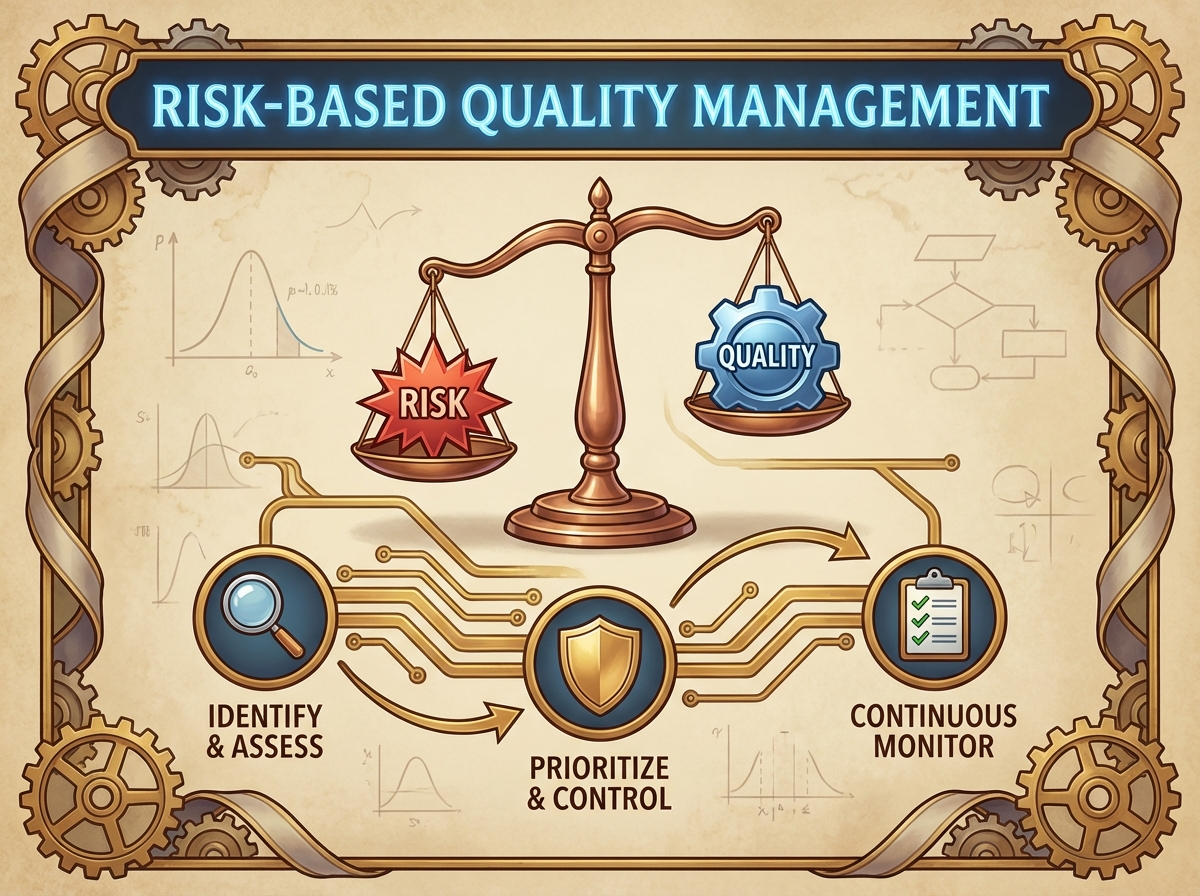
Risk-based quality management is how audit firms translate quality intent into specific, prioritized actions across the engagement lifecycle. In financial audit, this approach helps prevent systemic breakdowns in judgments, supervision, and evidence gathering that can lead to inspection findings and audit failures. This section focuses on identifying quality risks early, calibrating responses to risk appetite, and using indicators to detect emerging issues before they become deficiencies.
Learning Objectives
-
Identify and categorize quality risks across the audit lifecycle and link them to likely failure patterns.
-
Set and apply risk appetite, tolerances, and performance targets to drive proportionate quality responses.
-
Design practical controls and indicators to mitigate engagement risks and provide early warning signals.
-