

Sorry, this activity is currently hidden
Section outline
-
Introduction
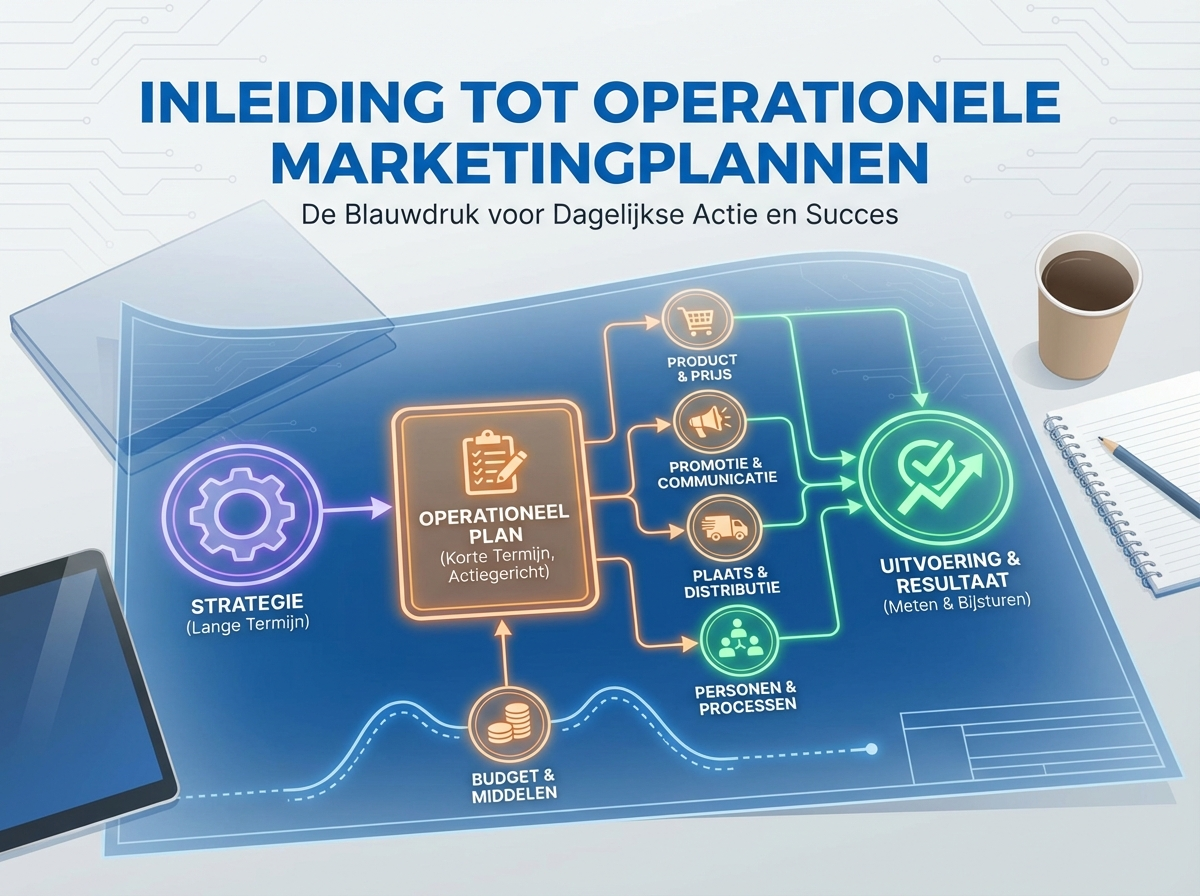
Operationele marketingplannen zijn cruciaal voor het succes van detacheringsbedrijven, gezien de complexiteit en dynamiek van de B2B en B2C markten waarop ze opereren. In deze sector is de uitdaging om young professionals aan te trekken enorm door de krapte in de arbeidsmarkt voor IT'ers. Deze sectie biedt inzicht in hoe operationele marketingplannen strategische doelen vertalen naar concrete acties, specifiek toegesneden op de behoeften en uitdagingen binnen de detacheringsbranche. Door een diepgaand begrip van deze plannen kunnen organisaties effectiever inspelen op marktveranderingen en concurrentiekrachten.
Learning Objectives
- Begrijpen wat een operationeel marketingplan is en hoe het zich onderscheidt van strategische marketingplannen.
- Identificeren van de specifieke rol en invloed van operationele marketingplannen binnen de detacheringsbranche.
-
Introduction
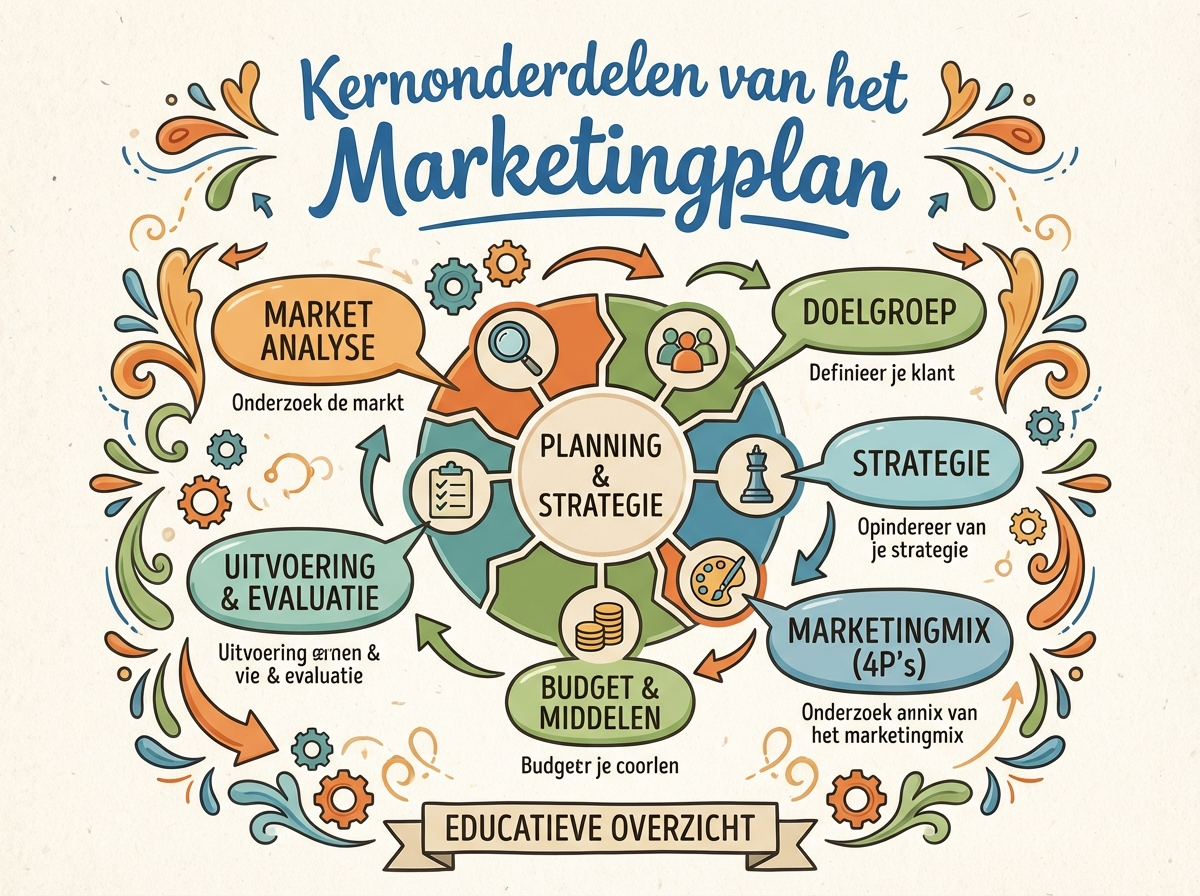
In deze sectie verdiepen we ons in de kernonderdelen van een operationeel marketingplan, met bijzondere aandacht voor de detacheringsbranche. Het effectief kunnen segmenteren, targeten en positioneren (STP) en het juiste gebruik van de marketingmix zijn cruciaal om te slagen in deze sector. We zullen begrijpen hoe deze technieken worden toegepast om concurrerend te blijven in zowel B2B- als B2C-contexten en hoe promotie- en communicatiekanalen strategisch worden ingezet.
Learning Objectives
- Begrijp de criteria voor segmentatie, targeting en positionering binnen een operationeel marketingplan.
- Voer een gerichte doelgroepkeuze en een samenhangende positionering door voor detacheringsbedrijven.
- Identificeer en pas de juiste marketingmix toe binnen B2B- en B2C-scenario's voor product- en prijsstrategieën.
-
Introduction
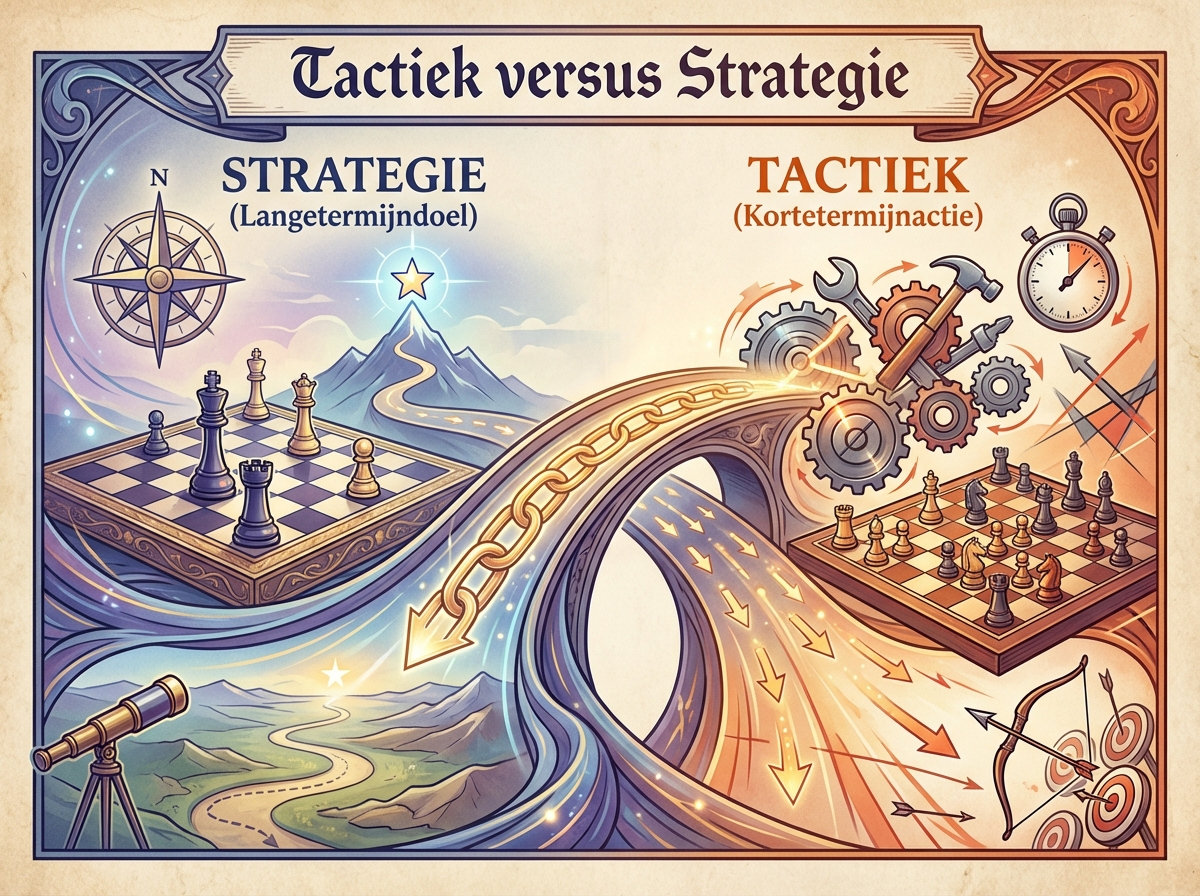
In this section, we delve into the critical distinctions between strategy and tactics within the realm of marketing, focusing specifically on the detacheringsbranche (staffing sector). Understanding these differences is paramount for crafting a coherent and effective operational marketing plan. By examining sector-specific examples and methodologies, this section will illuminate how strategic initiatives shape overall direction and how tactical actions support these larger objectives. This knowledge is invaluable for professionals aiming to optimize their marketing efforts within the staffing industry, ensuring they make informed decisions that align with long-term goals while executing efficiently at the operational level.
Learning Objectives
- Distinguish between strategic and tactical elements in marketing, with a focus on relevance to the staffing sector.
- Analyze examples of tactical approaches specific to the detacheringsbranche and their role in operational plans.
- Explain how strategy and tactics interlink to form a cohesive operational marketing plan.
-
Introduction
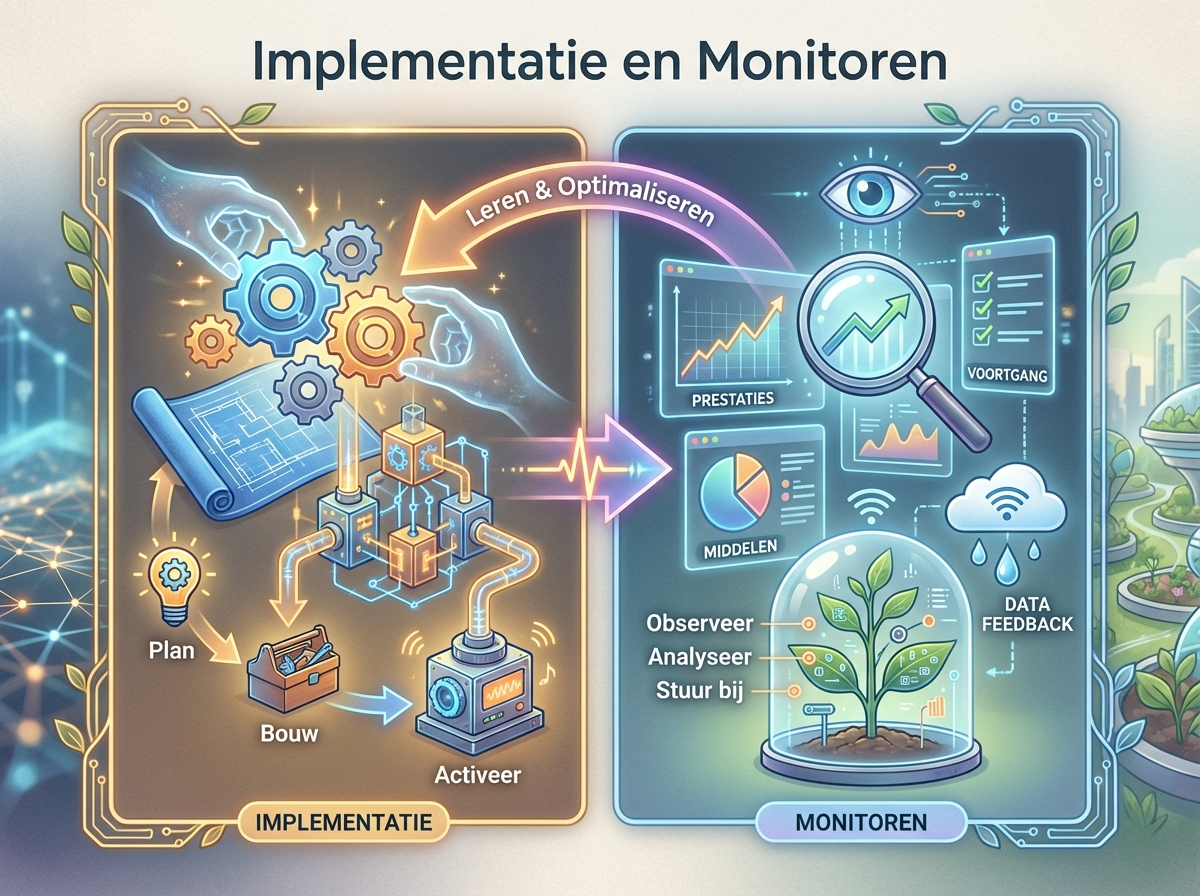
In de sterk concurrerende detacheringsbranche is het cruciaal dat bedrijven niet alleen een gedetailleerd marketingplan opstellen, maar dit ook effectief implementeren en monitoren. Deze sectie richt zich op het begrijpen en navigeren van kritische prestatie-indicatoren (KPI's), metingen die helpen om de effectiviteit van marketingstrategieën te beoordelen. Daarnaast leren deelnemers hoe ze continue verbetermechanismen kunnen integreren in hun plannen, waardoor ze proactief kunnen inspelen op veranderingen in de markt en klantbehoeften. Dit is essentieel voor het handhaven van concurrentievoordeel en klanttevredenheid in de detacheringsector.
Learning Objectives
- Identificeer en begrijp de kritieke prestatie-indicatoren (KPI’s) specifiek voor de detacheringsbranche.
- Stel effectieve meet- en feedbackmechanismen in om de voortgang van het marketingplan te evalueren.
- Pas praktische technieken toe voor de continue verbetering van marketingstrategieën binnen de sector.
-
Introduction
In this final section, we will consolidate the core concepts explored throughout the course and examine strategies for further expanding your marketing acumen, particularly within the detacheringsbranche (staffing industry). As this sector continuously evolves, understanding the intricacies of marketing plans ensures adaptability and relevance in meeting organizational goals. This review will arm you with critical insights for future marketing planning and implementation.
Learning Objectives
- Summarize the key concepts and strategies learned in creating an operational marketing plan specific to the detacheringsbranche.
- Identify potential directions for ongoing learning and deepening of marketing strategies.
- Outline key considerations for future marketing planning within the staffing industry.