

Section outline
-
Introduction
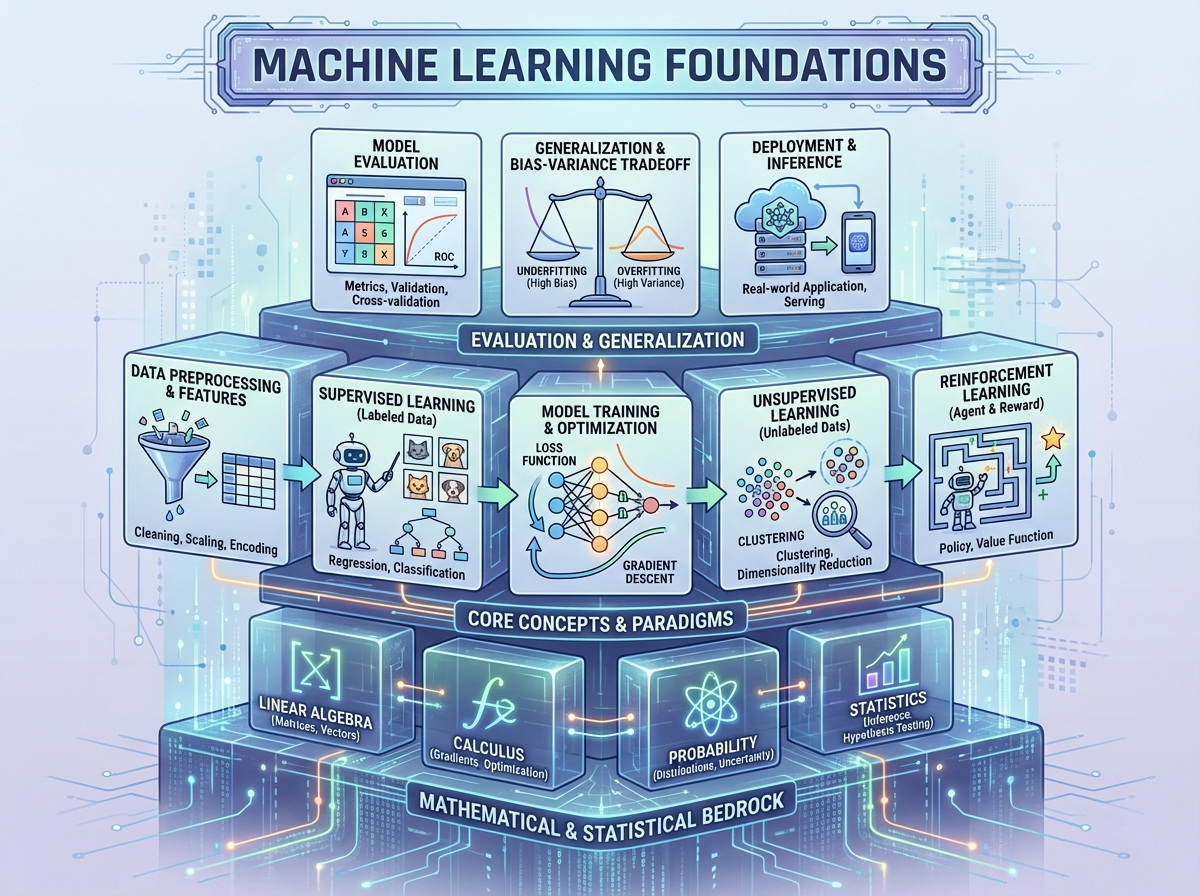
Machine learning underpins many modern data science workflows by enabling models to learn patterns from data instead of relying on fixed rules. In this section, you’ll build the core vocabulary and mental models needed to understand how ML systems are trained and used in practice. You’ll also connect major learning types to common data science product and analytics use cases.
Learning Objectives
-
Distinguish machine learning from rules-based analytics in practical data science contexts.
-
Define and correctly use core ML terms: features, labels, training, inference, and models.
-
Identify supervised, unsupervised, and semi-supervised learning and match each to common use cases.
-
-
Introduction
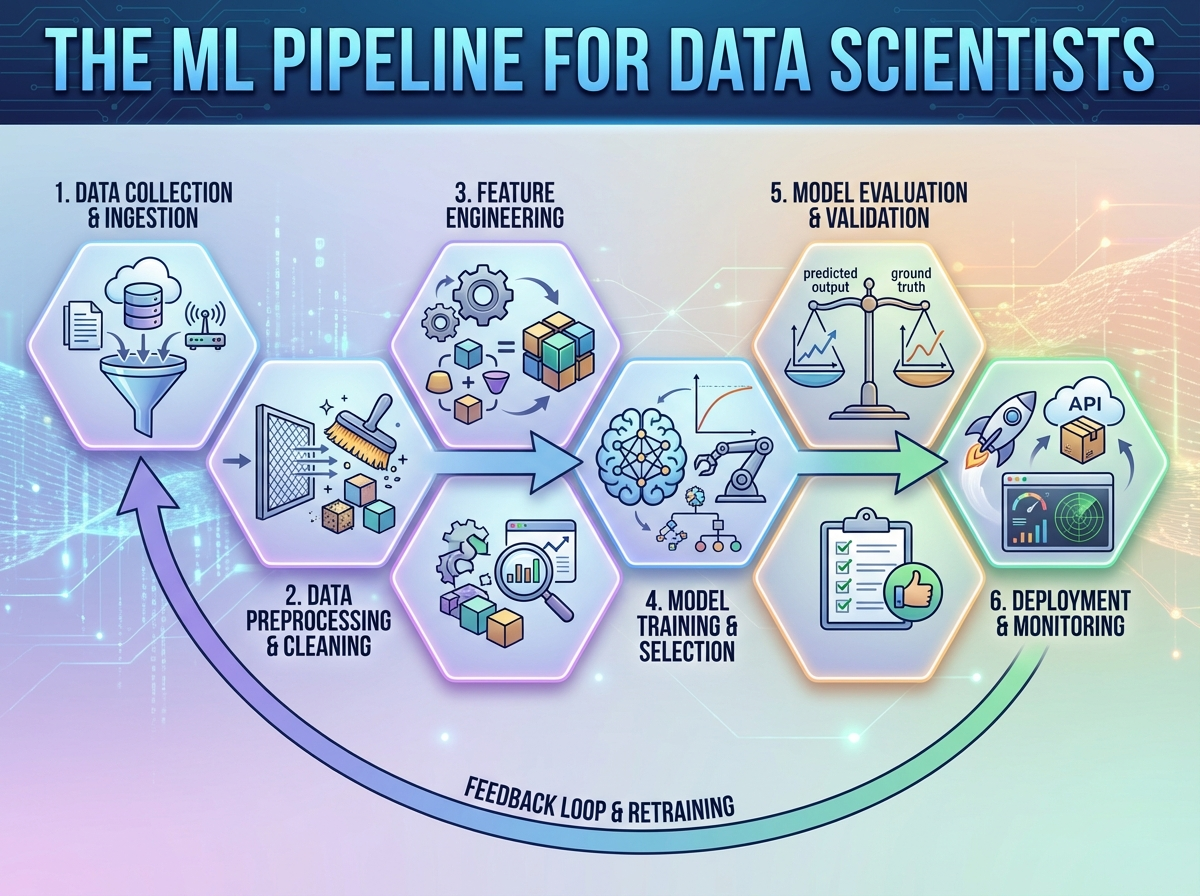
This section walks through the end-to-end machine learning pipeline as it’s typically practiced in data science teams. You’ll learn how to frame ML problems, assess whether your data supports the goal, and structure experiments that produce trustworthy results. These skills help you translate business questions into models that can be evaluated and deployed responsibly in real products and workflows.
Learning Objectives
-
Frame a data science problem as prediction, classification, or grouping with a clear target and success criteria.
-
Identify common data readiness risks, including leakage and sampling bias, and describe how they affect model outcomes.
-
Set up train/validation/test splits and select evaluation metrics that align with business impact.
-
-
Introduction
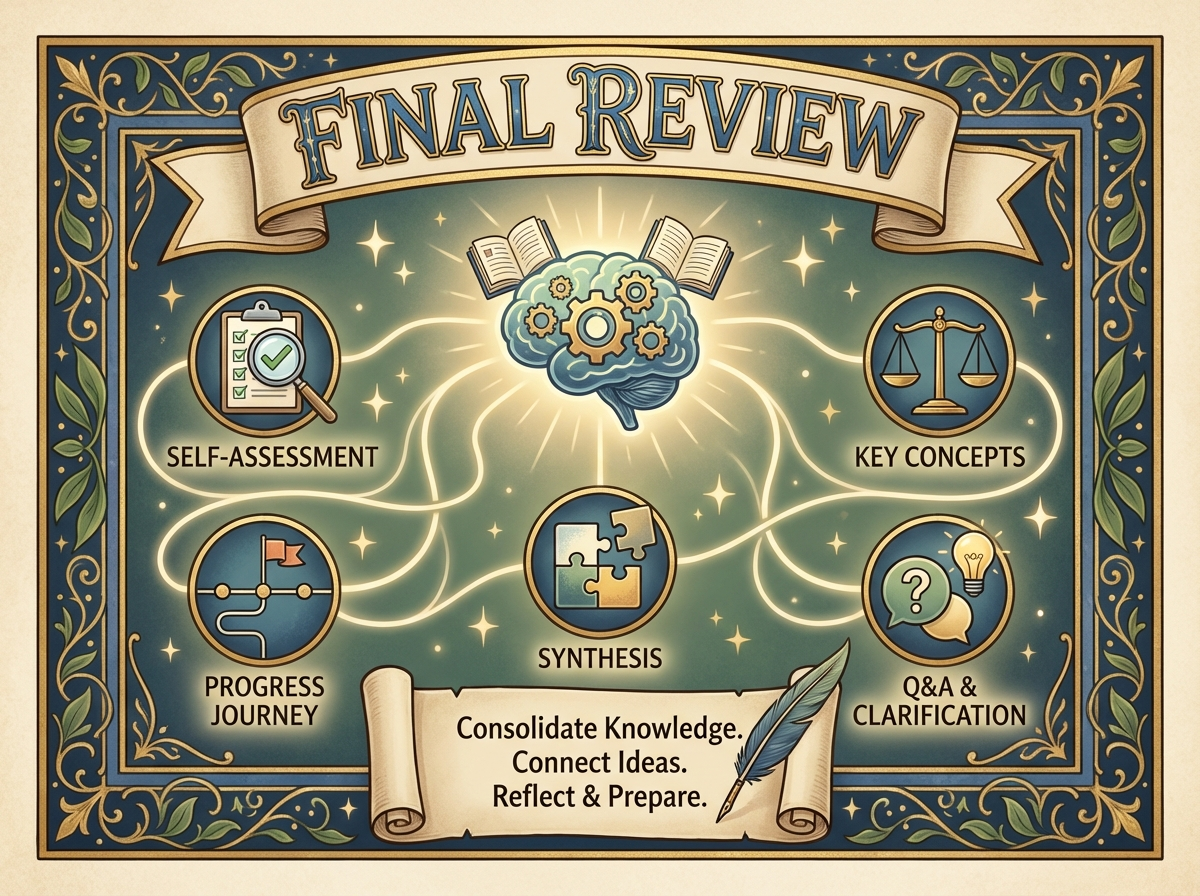
This section consolidates the core ideas from the course so you can explain and apply them in a typical data science workflow. You’ll revisit key terminology and the end-to-end pipeline to ensure you can reason about model goals, data risks, and evaluation choices. You’ll also identify practical next steps for continued learning and on-the-job application.
Learning Objectives
-
Summarize the key machine learning concepts and vocabulary covered in the course.
-
Map a real-world data science problem to the appropriate ML learning type and pipeline steps.
-
Identify next learning topics to deepen ML skills for data science work.
-