

Section outline
-
Introduction
This section establishes a clear, intermediate-level understanding of “assaa” as it is used in sasa settings, so you can interpret it consistently in real work situations. You’ll learn how assaa differs from nearby sasa concepts, where it typically shows up in practice, and the language professionals use to discuss it. The goal is to reduce ambiguity and avoid common intermediate misunderstandings that lead to misaligned decisions in sasa environments.
Learning Objectives
-
Define “assaa” at an intermediate level and distinguish it from adjacent concepts in sasa.
-
Identify typical sasa situations where assaa is relevant, including key stakeholders, constraints, and decision drivers.
-
Apply consistent terminology and models to describe assaa and avoid common intermediate-level misunderstandings.
-
-
Introduction
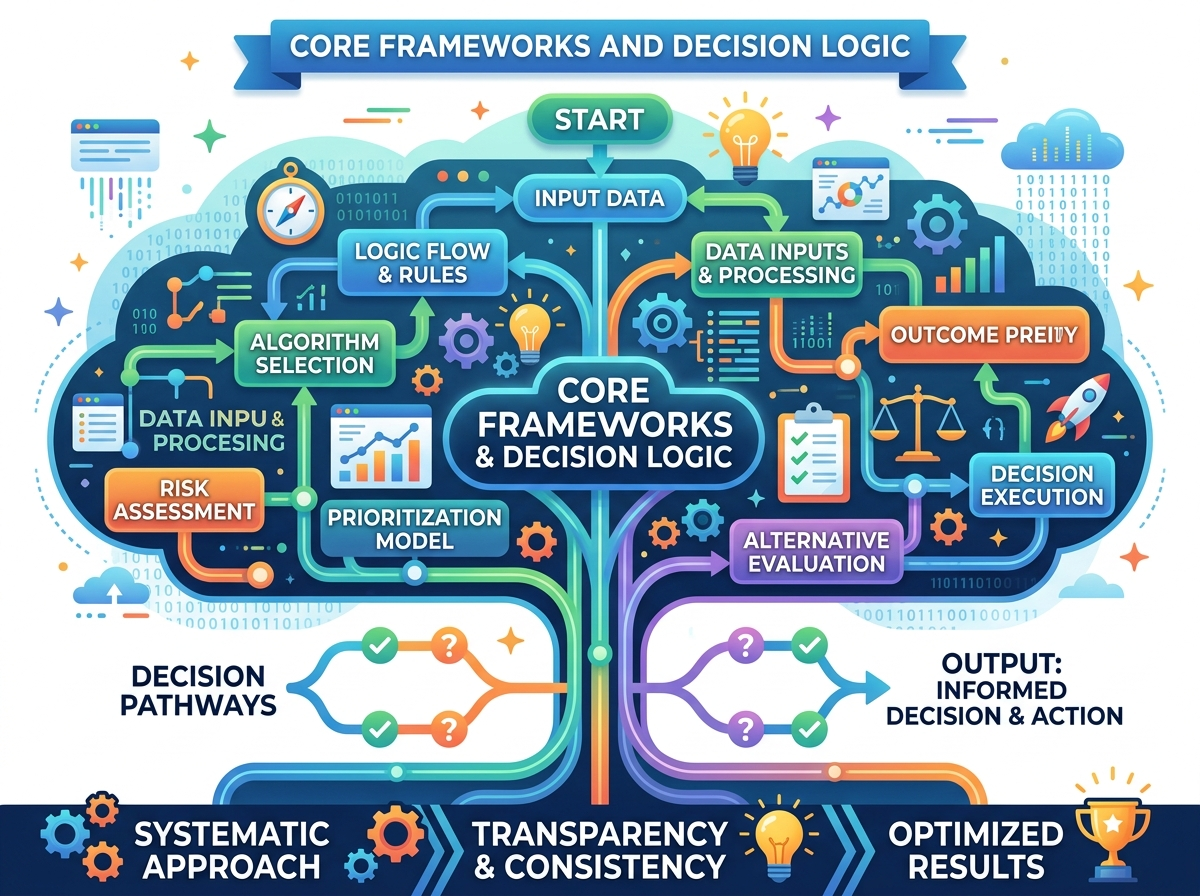
This section equips you to apply established frameworks to analyze assaa decisions within sasa environments where signals are noisy and constraints are real. You’ll learn how to interpret inputs that materially shift outcomes, make explicit trade-offs, and communicate your rationale in a way stakeholders in sasa can act on.
Learning Objectives
-
Select an appropriate framework to analyze assaa in a given sasa scenario and explain its limitations.
-
Evaluate key signals and context factors that meaningfully influence assaa outcomes in sasa.
-
Formulate and communicate a defensible assaa recommendation tailored to executives, peers, or partners in sasa.
-
-

Introduction
This section consolidates the key concepts and decision logic around assaa as applied in sasa contexts. You’ll revisit the most important definitions, frameworks, and communication principles to ensure you can apply them consistently. The focus is on reinforcing what matters most for real sasa stakeholders and constraints, and setting clear next steps for continued skill growth.
Learning Objectives
-
Summarize the core concepts, terminology, and frameworks for assaa in sasa contexts.
-
Evaluate your own understanding by identifying and correcting common intermediate misunderstandings.
-
Create a practical next-steps plan to deepen assaa capability in sasa-relevant scenarios.
-