

Section outline
-
Introduction
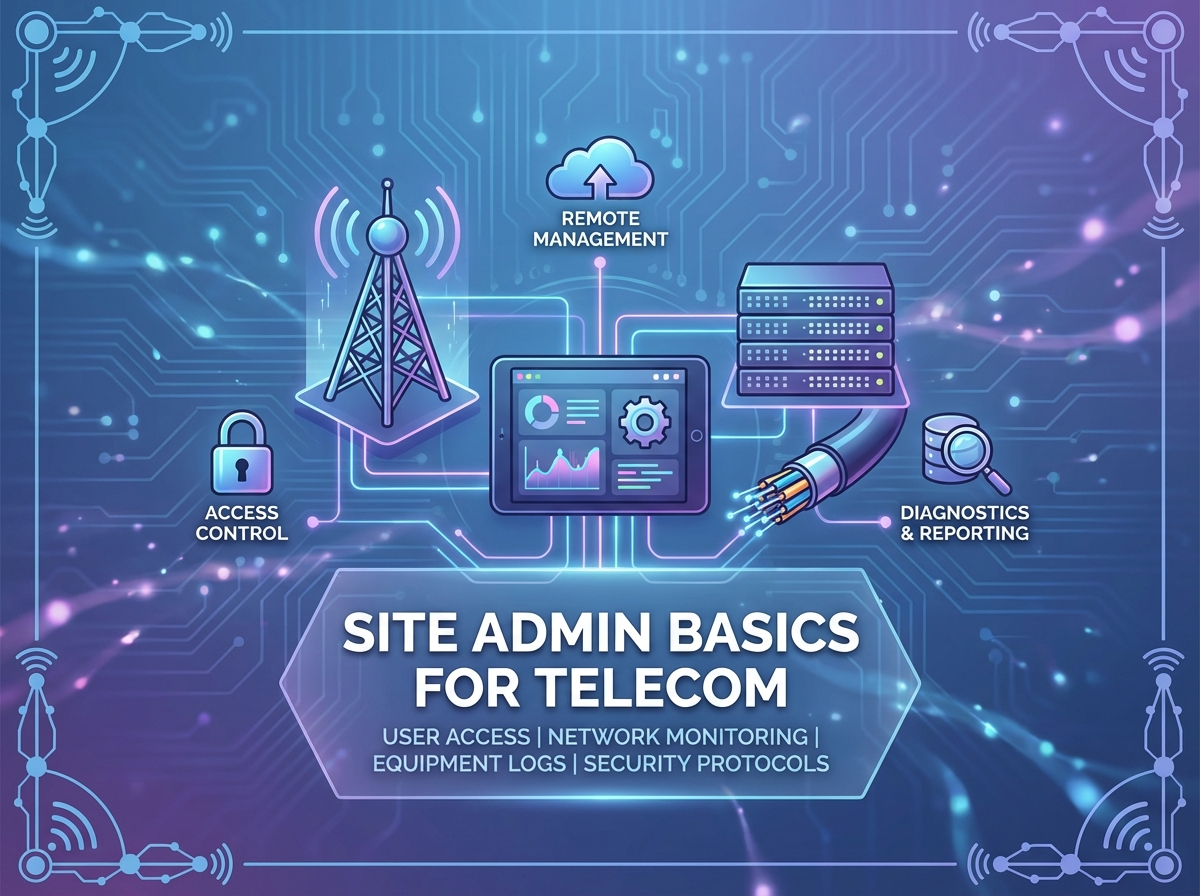
Site administration is the day-to-day work of keeping telecom sites and the systems that support them organized, secure, and operational. In telecommunications, clear ownership, access boundaries, and escalation paths are critical because site issues can affect customer connectivity and service availability. This section establishes the foundational concepts and workflows you’ll use throughout operations work.
Learning Objectives
-
Define what “site administration” means in telecom environments and why it matters to service continuity.
-
Identify common site admin roles, responsibility boundaries, and appropriate escalation paths.
-
Describe core admin concepts (services, hosts, users, access) and follow a basic request-to-change workflow.
-
-
Introduction
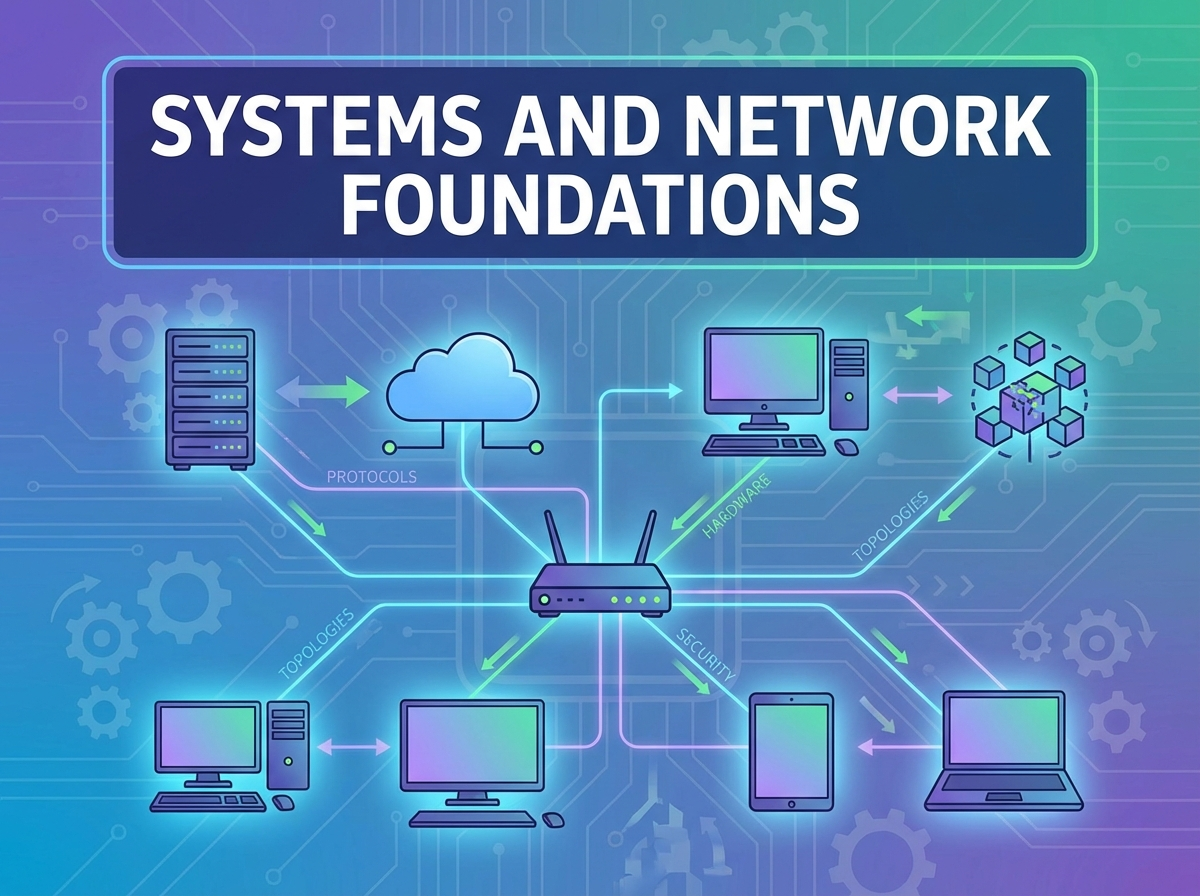
Telecom site administration depends on a practical grasp of how systems and networks fit together, from servers and virtualization to IP addressing and DNS. This section builds the foundation needed to interpret what’s happening in the field and in the NOC when services slow down, break, or change. You’ll connect core infrastructure concepts to real telecom components and operational symptoms.
Learning Objectives
-
Identify how servers, OS types, and virtualization support telecom site services.
-
Explain essential IP networking concepts (subnets, routing, DNS) used in day-to-day operations.
-
Recognize key telecom network components and relate traffic symptoms (latency, jitter, loss) to likely problem areas.
-
-
Introduction
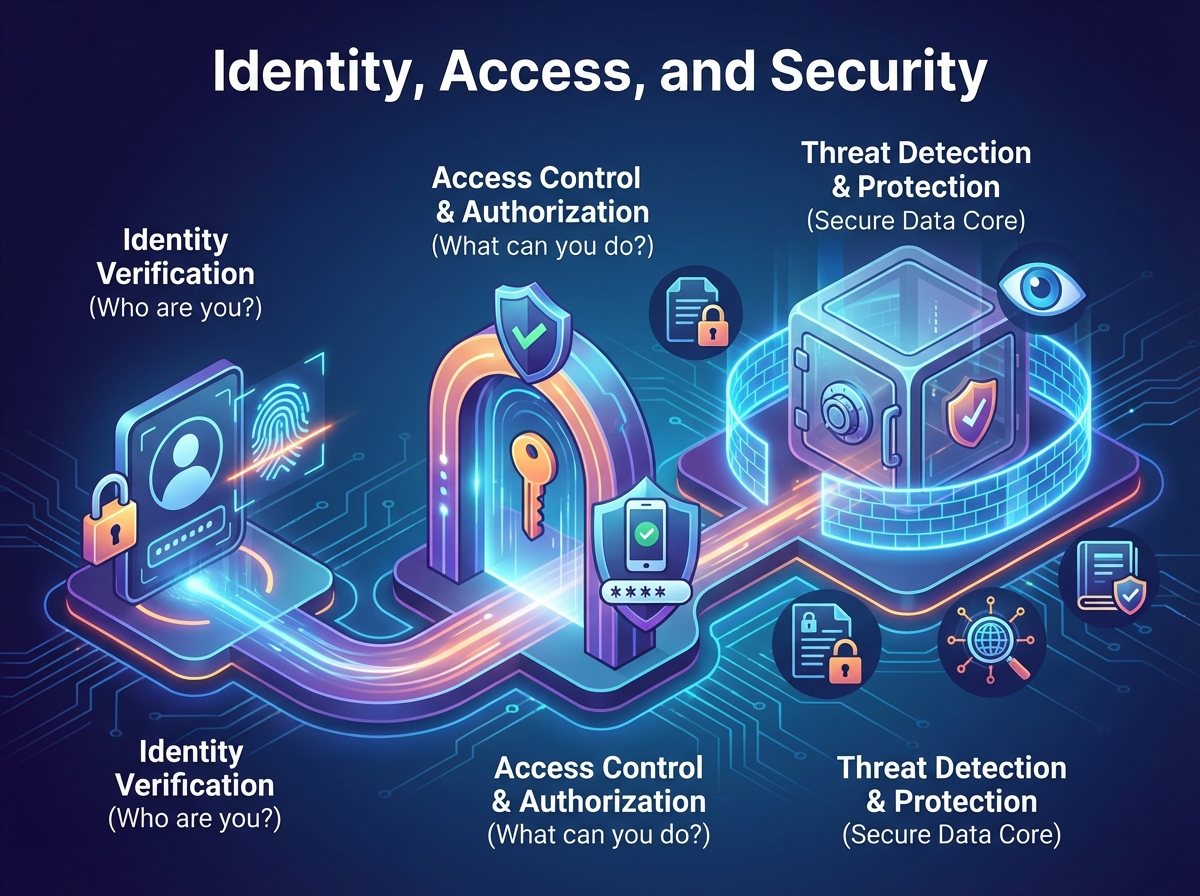
In telecom environments, site administrators routinely handle access to critical systems that support network availability and customer services. This section builds the fundamentals of identity, authentication, and authorization so you can grant and manage access safely and consistently. You’ll also learn core secure admin practices that reduce risk from remote access, vendor accounts, and platform integrations common in telecom operations.
Learning Objectives
-
Explain how users, groups, and roles work together in basic identity management.
-
Distinguish authentication from authorization and apply least-privilege thinking to common admin tasks.
-
Identify baseline secure administration practices (privileged access, logging, patching, hardening) relevant to telecom sites.
-
-
Introduction
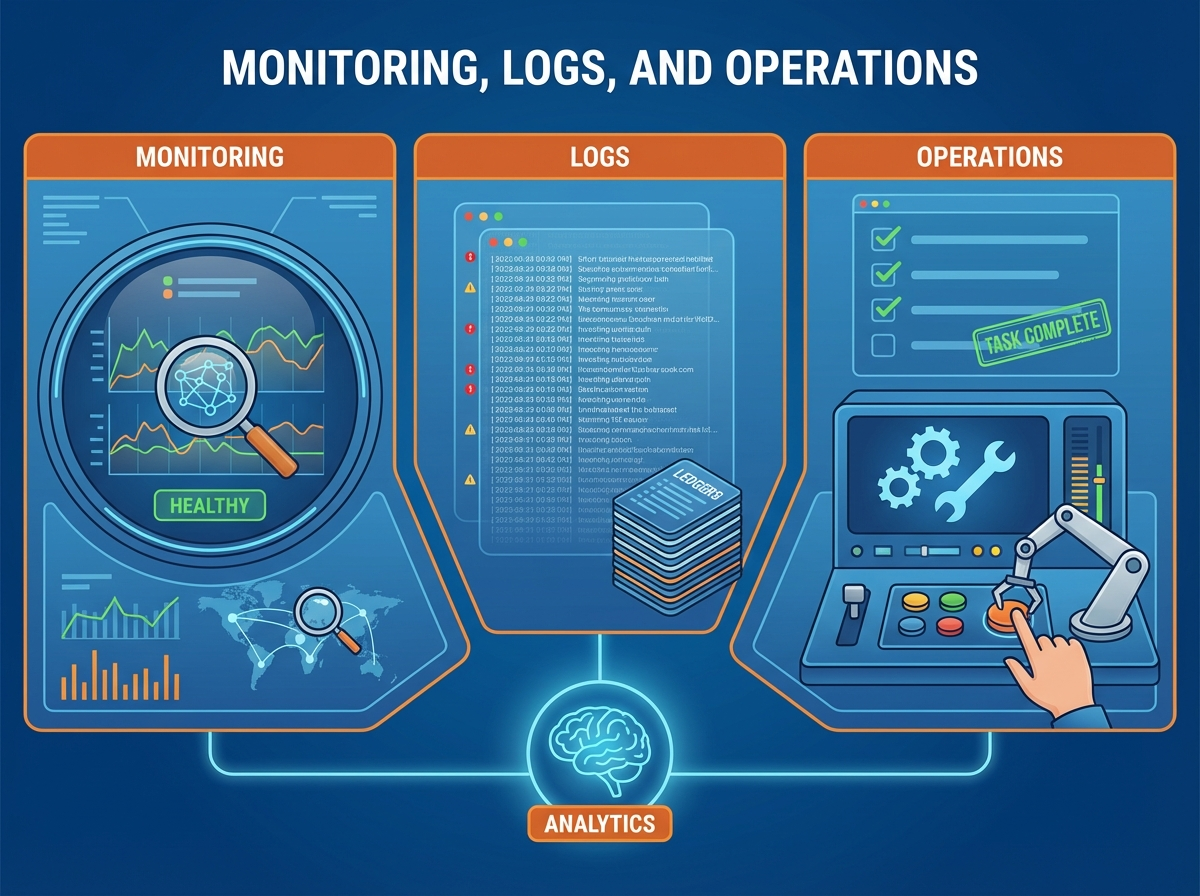
In telecom environments, stable services depend on fast detection of issues, clear operational signals, and disciplined response processes. This section builds the practical foundations for reading telemetry, interpreting logs, and running incidents and changes with minimal customer impact. You’ll connect monitoring data to network/service symptoms common in telecom operations.
Learning Objectives
-
Explain monitoring goals (availability, performance, capacity) and map them to telecom operations needs.
-
Interpret common telemetry (metrics, logs, traces, alerts) to support effective triage and troubleshooting.
-
Apply a basic incident and change workflow, including rollback thinking and clear service documentation.
-
-

Introduction
This final section consolidates the core site administration concepts you’ve learned and reconnects them to day-to-day telecom operations. You’ll review key terminology, workflows, and operational practices that support reliable service delivery. The goal is to leave with a clear mental model of how site admins prevent, detect, and respond to issues in telecom environments.
Learning Objectives
-
Summarize the core concepts and workflows used in telecom site administration.
-
Apply key operational thinking (access, change, monitoring) to common telecom scenarios.
-
Identify next-step learning areas to deepen site administration skills in telecom.
-