

Section outline
-
Introduction
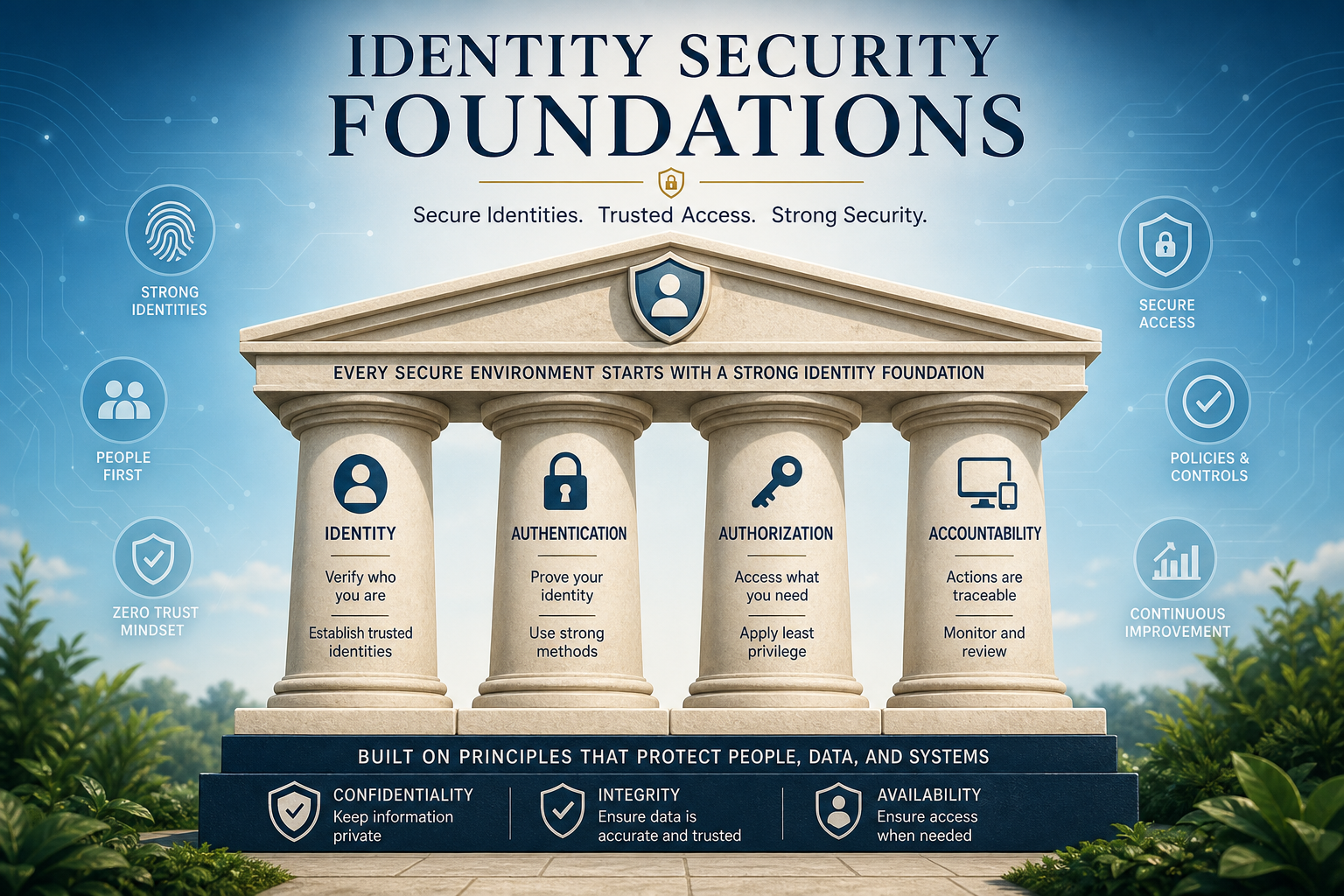
Digital identities connect Riverside’s nurses, traveling clinicians, billing specialists, patients, devices, and services to sensitive healthcare resources. Understanding how identities are verified and granted appropriate access is essential to protecting patient privacy, maintaining clinical operations, and preserving trust without delaying care.
Learning Objectives
-
Identify common identity types and the healthcare resources they access.
-
Distinguish authentication from authorization using Riverside’s users and systems.
-
Apply least privilege, need-to-know access, and separation of duties to basic healthcare scenarios.
-
-
Introduction
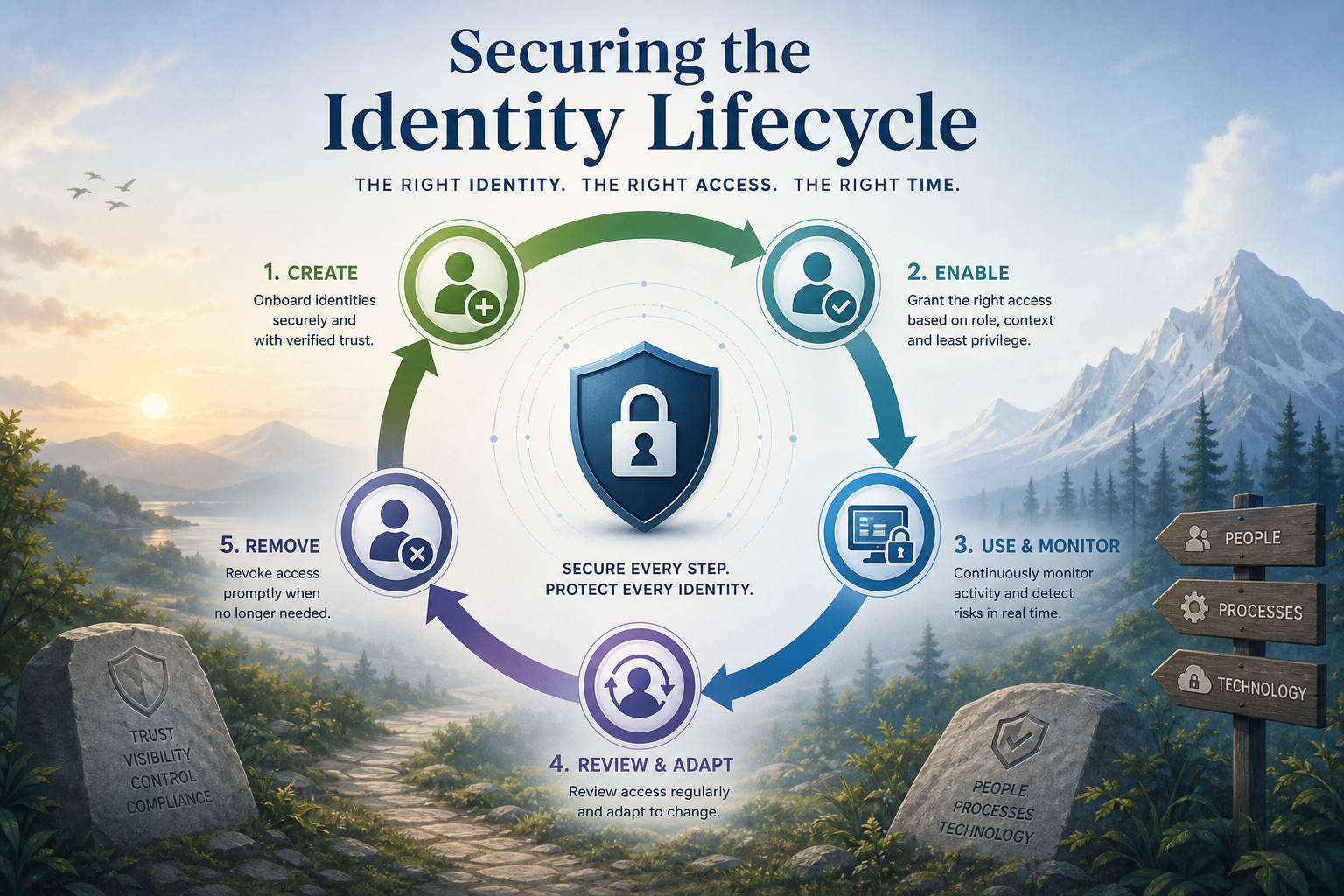
Building on Riverside’s identity security foundations, this section follows its new nurse, traveling clinician, and billing specialist as their access needs change. Managing each identity from onboarding through offboarding helps protect patient information without delaying appropriate clinical and business access.
Learning Objectives
-
Describe how lifecycle controls reduce risk when healthcare users join, change roles, receive temporary access, or leave.
-
Match stronger access controls and safeguards to standard and high-risk identities.
-
Identify monitoring and response actions for suspicious activity, excessive permissions, and compromised credentials.
-
-

Introduction
Building on Riverside’s identity lifecycle, this review connects identity verification, permissions, and access controls to the protection of patient information. Learners consolidate how healthcare organizations secure different identity types while maintaining timely access to care and identify logical directions for continued study.
Learning Objectives
-
Explain how authentication, authorization, and lifecycle controls work together to protect healthcare information.
-
Apply least privilege, need-to-know access, and separation of duties to Riverside’s workforce and third-party users.
-
Identify advanced identity security topics for continued learning.
-